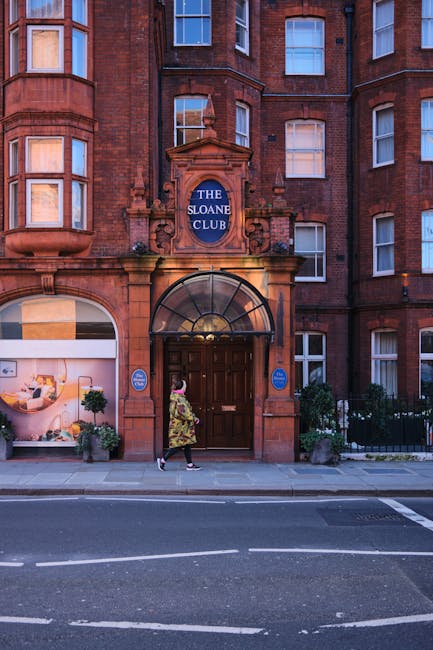
Move out cleaning checklist Sloane Square Chelsea
If you are packing up a flat or townhouse near Sloane Square, the last thing you need is a rushed clean on moving day. A proper move out cleaning checklist Sloane Square Chelsea helps you stay organised, protect your deposit, and leave the place looking cared for rather than hurried. Truth be told, most move-outs are messy in the final 24 hours: boxes everywhere, batteries missing from the remote, one stubborn mark on the skirting board. This guide brings order to that chaos with a practical, room-by-room approach that works for real London homes.
You will find what to clean, why it matters, where people usually miss things, and how to decide whether to do it yourself or bring in extra help. If you are also comparing deeper options for a one-off refresh, our guidance naturally sits alongside services such as end of tenancy cleaning and deep cleaning, depending on how much work the property needs.
Practical takeaway: the best move-out clean is not about scrubbing every surface twice. It is about hitting the areas landlords, letting agents, and incoming tenants notice first: kitchens, bathrooms, floors, appliances, and all the awkward edges people tend to forget.
Table of Contents
- Why Move out cleaning checklist Sloane Square Chelsea Matters
- How Move out cleaning checklist Sloane Square Chelsea Works
- Key Benefits and Practical Advantages
- Who This Is For and When It Makes Sense
- Step-by-Step Guidance
- Expert Tips for Better Results
- Common Mistakes to Avoid
- Tools, Resources and Recommendations
- Law, Compliance, Standards, or Best Practice
- Options, Methods, or Comparison Table
- Case Study or Real-World Example
- Practical Checklist
- Conclusion
- Frequently Asked Questions
Why Move out cleaning checklist Sloane Square Chelsea Matters
Sloane Square and the wider Chelsea area often come with high expectations. Many properties are managed carefully, and whether you are leaving a compact pied-a-terre or a larger period home, the standard for "clean enough" is usually higher than people expect. A checklist stops you from cleaning by memory, which is where the problems start.
Without a plan, it is easy to overlook the places that make the biggest impression: inside kitchen cupboards, shower glass, extractor fans, behind radiators, or the inside of the oven. Those are the spots that can trigger cleaning deductions, awkward handovers, or a second cleaning round when you really did not want one.
There is also a practical side. When you clean in an organised order, you avoid redoing work. Clean top to bottom, back to front, and room by room. It sounds obvious. Then moving day arrives and suddenly there are three bags of bin liners in the hallway and nobody can find the sponge. Happens all the time.
A good checklist also helps you judge the level of help you need. Some properties only need a tidy, final detail clean. Others need more support, especially after a long tenancy, pets, children, building dust, or lots of entertaining. If your place needs a more substantial reset, a one-off cleaning visit may be a sensible middle ground between a quick tidy and a full specialist service.
How Move out cleaning checklist Sloane Square Chelsea Works
The process is straightforward, but the order matters. A move-out clean should start after personal items are removed and before the final inspection, ideally with enough time to deal with any stubborn jobs. In a normal UK handover, the goal is to leave the property at the expected standard of cleanliness stated in the tenancy agreement or handover terms, minus fair wear and tear. You are not trying to make the home look brand new; you are trying to present it clean, presentable, and consistent.
Most effective checklists work in three layers:
- Declutter first - remove belongings, packaging, food, toiletries, and anything that should not be in the property at handover.
- Clean room by room - complete visible surfaces, then the hidden and awkward areas.
- Finish with details - switches, handles, marks on walls, skirting boards, and floor edges.
In Chelsea homes, where flooring, fitted storage, and polished surfaces are common, it is worth paying attention to finishes. Hard floors show dust quickly, glass shelves collect fingerprints in seconds, and high-use zones like hallways can look tired even after a light clean. If the property has timber, stone, or engineered flooring, a specialist approach like hard floor cleaning can be a smart addition.
And yes, kitchens are usually the main event. The oven, hob, sink, splashback, fridge, and cupboard fronts need proper attention. If the oven has old grease or baked-on residue, use a targeted oven cleaning approach rather than a quick wipe and hope strategy. Hope is not a cleaning method, unfortunately.
Key Benefits and Practical Advantages
A detailed move-out checklist gives you more than a clean property. It gives you control at a time when everything else is moving fast.
- Less stress at the end of the tenancy - you know exactly what is left to do.
- Better chance of a smooth inspection - no last-minute discoveries in cupboards or behind appliances.
- Less duplication of effort - you clean once, properly, rather than circling back to the same room.
- Better use of paid help - if you hire support, you can brief them clearly and avoid wasted time.
- Cleaner handover presentation - photos, inspections, and key returns all go more smoothly when the property is tidy and detailed.
For many tenants, the biggest win is peace of mind. You can walk out knowing the obvious work has been done, rather than standing in the hallway on the final morning wondering whether the bathroom mirror still has water spots. Been there, frankly.
It also helps landlords and agents. A structured clean means issues are easier to separate: a genuine maintenance problem, normal wear and tear, or an actual cleaning miss. That clarity can prevent misunderstandings and save everyone time.
Who This Is For and When It Makes Sense
This kind of checklist is useful for more people than you might think. It is not just for tenants at the end of a lease.
- Tenants moving out of a rented flat or house
- Homeowners preparing a sale or handover
- Landlords between lets
- Property managers handling multiple rooms or units
- Flat-sharers splitting final cleaning tasks fairly
- People leaving furnished homes with appliances, upholstery, and carpets to manage
It makes most sense when time is tight, the property is furnished, or the last month has been busy and dust has quietly built up in the corners. If you are dealing with soft furnishings, cushions, or a sofa that has absorbed everyday life for two years, a dedicated sofa cleaning or upholstery cleaning service may be worth considering before you hand the keys back.
It is also useful after renovations or decorating touch-ups. A move-out often overlaps with post-build dust, and a standard wipe-down may not be enough. In those cases, a service such as after builders cleaning is sometimes the better fit.
Step-by-Step Guidance
The easiest way to handle a move-out clean is to work in a fixed order. That way you are not carrying dust from one room into another.
1. Start with the empty property
Take out all personal items first. Check wardrobes, under beds, behind doors, in cupboards, and on high shelves. Left-behind bits are the classic moving-day trap. One charger, two curtain hooks, a kitchen spoon... the small things are what slow you down.
2. Open windows and get airflow going
Airing the place helps remove that stale "closed-up for a while" smell and makes cleaning products less heavy in the air. On a bright morning, the dust will show itself in the light near the windows. Annoying, but useful.
3. Clean high areas before low areas
Work from ceiling corners, light fittings, top shelves, and picture rails down to skirting boards and floors. That way, anything that falls gets caught later instead of ruining already cleaned surfaces.
4. Tackle the kitchen in sections
The kitchen is usually the most time-consuming room. Focus on:
- inside and outside of cupboards
- worktops and splashbacks
- sink, taps, and draining area
- hob, extractor, and surrounding tiles
- fridge, freezer, and microwave if included
- oven and trays
- floor edges and kickboards
If appliances are heavily used, consider a specialist clean for better results. For example, carpet cleaning and oven cleaning often make the biggest visible difference in a furnished property, especially if there are stains or built-up odours.
5. Move through the bathrooms carefully
Bathrooms need a different kind of attention. Descale taps and shower screens, scrub grout lines where needed, wipe mirrors, clean the toilet thoroughly, and remove soap residue from trays, baths, and basins. Check the sealant edges too. If they are already mouldy or damaged, cleaning may improve the look but not fix the underlying issue.
6. Finish bedrooms and living areas
These rooms are often quicker, but they still need detail. Clean wardrobes, drawers, bedside tables, shelves, switches, handles, and window ledges. Dust behind radiators if you can reach them safely. If the property has carpets, vacuum slowly and pay attention to the edges and under furniture marks.
7. Don't forget floors and final checks
Vacuum and mop at the end, not in the middle. Then walk through each room and look at it as someone else would. Are the corners clear? Are fingerprints visible on glass or stainless steel? Did you miss the area behind the bin? That final scan catches a lot.
If the property has lots of carpeted rooms and traffic marks, a professional carpet cleaning appointment can be the deciding factor between "looks fine" and "looks properly finished."
Expert Tips for Better Results
A few simple habits make a move-out clean noticeably better. These are the kind of small things experienced cleaners rely on because they work.
- Use two cloths per room - one for dust, one for final polish. It keeps streaks down.
- Let products sit briefly - especially in bathrooms and ovens. Give them a minute to work before scrubbing.
- Check the room in daylight - artificial light hides marks. Natural light reveals everything, a bit unfairly really.
- Clean switches, handles, and edges - these are touched constantly and show grime fast.
- Leave floors until last - they collect debris from every other task.
- Photograph each room after cleaning - useful for your own records and peace of mind.
One practical trick for Chelsea properties with polished surfaces: wipe in one direction on glass and stainless steel so streaks are easier to spot. Another: keep a small hand vacuum or crevice tool nearby for skirting edges and sofa gaps. It saves so much back-and-forth.
And if you are short on time, prioritise the rooms that create the strongest first impression: kitchen, bathroom, hallway, and main living space. That is where most people look first. Everywhere else matters too, of course, but start there.
Common Mistakes to Avoid
Most move-out cleaning problems are not about effort. They are about sequence and blind spots.
- Cleaning before decluttering - you end up moving items around and dirtying the area again.
- Forgetting hidden spaces - behind bins, under sinks, inside cupboards, behind appliances.
- Leaving the oven until the very end - it becomes a rushed afterthought, and that rarely ends well.
- Using too much product - residue can leave surfaces sticky or cloudy.
- Ignoring carpets and soft furnishings - odours and stains often linger even when hard surfaces look good.
- Not checking light fittings and extractor fans - small dusty details can make a whole room feel uncared for.
One mistake people make in a hurry is assuming a surface that looks clean is clean enough. In reality, dust hides on top of door frames, behind taps, along shower seals, and around the edges of windows. That is where a checklist earns its keep.
Tools, Resources and Recommendations
You do not need a van full of equipment. A solid move-out clean usually needs a practical kit and a bit of patience.
| Useful item | What it helps with | Why it matters |
|---|---|---|
| Microfibre cloths | Dusting, polishing, final wipe-downs | Better on glass and painted surfaces than rough cloths |
| Vacuum with attachments | Edges, upholstery, carpets, corners | Reaches places a standard head misses |
| Non-abrasive bathroom cleaner | Tiles, sinks, taps, shower areas | Helps remove residue without scratching finishes |
| Degreaser | Kitchen cabinets, splashbacks, cooker hood areas | Useful where cooking residue has built up |
| Sponges and scourers | General scrubbing | Good to have, but use gently on delicate surfaces |
| Crevice tool | Skirting edges, furniture gaps, radiators | Great for final dust removal |
| Bucket and mop | Hard floors | Essential for a proper finish on tile, stone, or wood-compatible floors |
If you are comparing professional help, look at the type of job rather than just the label. A standard domestic tidy is not always enough for a full handover clean. A trusted cleaning company can usually advise whether you need a one-off visit, a deeper refresh, or a more focused service for appliances, floors, or windows.
For windows that are smudged from boxes, handprints, or a winter of condensation, window cleaning can lift the whole property visually. Clean glass makes rooms feel brighter. Funny how much difference that makes.
Law, Compliance, Standards, or Best Practice
For renters in the UK, the key issue is usually the tenancy agreement and the agreed condition at handover. In general terms, you are expected to return the property in the condition required by the contract, allowing for fair wear and tear. Exact obligations can vary, so it is wise to check your paperwork and any inventory notes carefully.
From a practical standpoint, the best practice is simple: clean thoroughly, document what you have done, and keep proof if needed. Before moving out, many tenants also review deposit-related expectations and any special instructions from the agent. A checklist is useful because it creates a consistent standard, not a vague memory of what "looked okay" at the time.
If you hire cleaning help, it is also sensible to confirm insurance, safety practices, payment terms, and complaint procedures before booking. Those things may not sound glamorous, but they matter if something goes wrong or if access is tricky on the day. Chelsea homes can have narrow halls, delicate finishes, or strict concierge timings, so careful coordination helps.
For people who want a company that explains its standards clearly, information on insurance and safety, health and safety policy, and terms and conditions is worth reviewing before any booking. It is just sensible due diligence, nothing fancy.
Options, Methods, or Comparison Table
Not every move-out needs the same level of cleaning. The right method depends on the condition of the property, how much time you have, and what the inspection is likely to focus on.
| Approach | Best for | Pros | Limits |
|---|---|---|---|
| DIY checklist clean | Light to moderate cleaning needs | Budget-friendly, flexible, full control | Time-consuming, easy to miss hidden areas |
| One-off professional clean | Busy moves, medium-sized properties | Fast, structured, less stress | May not include every specialist task unless agreed |
| End of tenancy clean | Rental handover and inspection | Designed for move-out expectations, more detailed | Needs booking and clear access planning |
| Deep clean plus specialist add-ons | Long tenancy, heavy use, pets, or furniture included | More thorough on kitchens, bathrooms, floors, upholstery | Usually the highest overall effort or cost |
For many readers, the sweet spot is a combined approach: do the decluttering and lighter touch yourself, then book help for the tougher parts like ovens, carpets, or upholstery. That balance often saves both time and money, and it feels a lot less chaotic.
Case Study or Real-World Example
Consider a typical Chelsea flat move-out. The tenant has three days left, two storage boxes still open, and the kitchen has the usual mix of tea stains, cooking marks, and a freezer that was not fully emptied as early as planned. The bathroom looks tidy at a glance, but the shower screen has water marks and the extractor cover is dusty.
Instead of trying to do everything in one frantic sweep, the tenant starts with decluttering, then cleans the kitchen first while energy is still high. The oven gets a proper treatment, cupboards are wiped inside and out, and the fridge shelves are washed. After that, the bathroom and hallway are tackled, followed by bedrooms and living spaces. The carpets are vacuumed slowly, not rushed.
By the final evening, the property looks calm again. Not staged, not glossy, just properly clean. The inspection goes more smoothly because the agent sees consistency: no obvious missed areas, no crumbs in drawers, no residue on taps. It is a very ordinary win, which is exactly what you want on moving week.
That is usually the difference a checklist makes. It turns a last-minute scramble into a process you can actually finish.
Practical Checklist
Use this as a final walk-through before handover.
- Remove all personal items from every room
- Empty cupboards, drawers, wardrobes, and storage spaces
- Clean kitchen surfaces, splashbacks, and cabinet fronts
- Clean oven, hob, extractor, and sink
- Defrost and wipe fridge and freezer if included
- Descale taps, shower heads, screens, and bathroom fittings
- Scrub toilet, basin, bath, shower tray, and tiles
- Dust skirting boards, switches, handles, and light fixtures
- Vacuum carpets and rugs thoroughly
- Mop hard floors and clean edges and corners
- Wipe window ledges, sills, and accessible glass
- Check behind doors, radiators, and appliances
- Remove marks from walls where safely possible
- Empty all bins and take out rubbish and recycling
- Do one last daylight inspection of every room
One final tip: carry a small cloth in your hand during the last walk-through. If you notice a mark, fix it immediately. Tiny things done quickly add up, and the place ends up feeling finished rather than merely cleaned.
Get a free quote today and see how much you can save.
Conclusion
A move-out clean in Sloane Square and Chelsea is not just about tidiness. It is about leaving the property in a condition that feels respectful, organised, and ready for the next person. A good checklist reduces stress, protects your time, and helps you avoid the classic end-of-tenancy surprises that always seem to arrive when the boxes are already in the car.
If you approach it room by room, start early, and focus on the visible details that matter most, you will usually get a much better result with less effort. And if the job is bigger than you expected, that is fine too. Sometimes the smartest move is to get support and make the handover easier on yourself. No drama. Just a cleaner exit, literally and otherwise.
Frequently Asked Questions
What should be on a move out cleaning checklist in Sloane Square Chelsea?
It should cover every room, with extra focus on kitchens, bathrooms, floors, windows, appliances, cupboards, skirting boards, and any hidden areas such as behind furniture or inside drawers.
How clean does a rented property need to be when I move out?
In general, it should be returned in the condition required by your tenancy agreement, allowing for fair wear and tear. The safest approach is to leave it thoroughly clean and well presented.
Do I need professional end of tenancy cleaning?
Not always. If the property is light to moderately dirty and you have time, a careful DIY clean may be enough. For heavier use, short deadlines, or furnished homes, professional help is often easier.
How long does a move out clean usually take?
It depends on size and condition. A small flat may take several hours, while a larger home or furnished property can take much longer, especially if appliances and carpets need extra attention.
Which room should I clean first?
Start with the kitchen or the messiest room, then work through bathrooms, living areas, and bedrooms. Many people prefer to begin with the hardest room while energy is highest.
What are the most commonly missed areas?
People often miss inside cupboards, behind appliances, extractor fans, light switches, skirting edges, window tracks, and the area under sinks. Those spots are easy to overlook when you are tired.
Should I clean carpets before or after everything else?
Usually after the heavy dusting and surface cleaning, but before the final walk-through. That way debris from other tasks does not land on freshly cleaned floors.
Is oven cleaning really necessary at move out?
Yes, if the oven is part of the tenancy or handover. It is one of the first things inspectors notice, and grease or burnt residue can make the whole kitchen look unfinished.
What if I have pets or a lot of upholstery in the property?
Then soft furnishings may need extra attention for hair, odour, and marks. Services such as sofa or upholstery cleaning can make a visible difference before you hand the keys over.
Can I use a one-off clean instead of a full move-out service?
Sometimes, yes. A one-off clean can be a practical middle option if the property is not heavily soiled but still needs a proper reset before inspection.
How can I tell if the property is clean enough?
Do a final daylight check. If the kitchen, bathroom, floors, and visible surfaces look clean from a normal standing height, and the hidden areas are not dusty or sticky, you are probably in good shape.
What is the best way to stay organised on moving day?
Work room by room, keep cleaning items in one box or caddy, and leave the floors until last. A written checklist helps more than people expect, especially when the day gets busy and slightly chaotic.