SW3 Carpet Cleaning Services Guide Chelsea
If you live or work in Chelsea, you already know carpets can take a beating in ways that are not always obvious at first glance. One wet November day, a hallway can look fine; by Friday, it's holding in grit, traffic marks, and that slightly stale smell that creeps up on you. This SW3 carpet cleaning services guide Chelsea is here to make the whole process clearer, calmer, and a lot more practical. You'll find how carpet cleaning works, what to expect, what to avoid, and how to decide whether you need a quick refresh, a deep clean, or something more specialist.
To keep things useful, we'll also cover local decision factors, common mistakes people make, and a simple checklist you can actually use before booking. No fluff. Just the sort of guidance that helps you choose well and feel confident about it.
Why SW3 carpet cleaning services guide Chelsea Matters
Carpets are often the biggest soft surface in a room, which means they quietly collect more than people realise: dust, crumbs, pet hair, outdoor grit, and the odd spill that somehow gets "handled later". In SW3, where properties range from smart townhouses to compact flats and busy offices, carpet care matters for both appearance and hygiene. It is not just about looking tidy.
A professionally cleaned carpet can make an entire room feel brighter and less tired. You notice it immediately in a hallway, especially where shoes track in debris from the street. You also notice it in rooms with regular foot traffic: the fibres feel less flat, the colour looks more even, and the room smells fresher. That's the basic value. Simple enough, but quite powerful.
There's another reason this topic matters in Chelsea specifically. Many homes and managed properties in SW3 contain mixed flooring, delicate materials, and good-quality carpets that need careful treatment. The wrong approach can leave detergent residue, over-wet fibres, or shading that wasn't there before. To be fair, most people don't need a lecture on carpet chemistry. They just need to know what works, what doesn't, and what to ask for.
If your cleaning needs go beyond carpets alone, it can help to think about the wider home in one go. A proper deep cleaning approach often makes sense when carpets, upholstery, and corners all need attention at the same time. That's especially true after a long period without a full reset.
How SW3 carpet cleaning services guide Chelsea Works
Most carpet cleaning services follow a fairly similar structure, though the method varies depending on the carpet type, soil level, and how quickly you need it dry afterwards. In practical terms, the process usually starts with inspection. A good cleaner looks at fibre type, stains, wear patterns, and any risk areas such as edges, stairs, or rooms with heavy use.
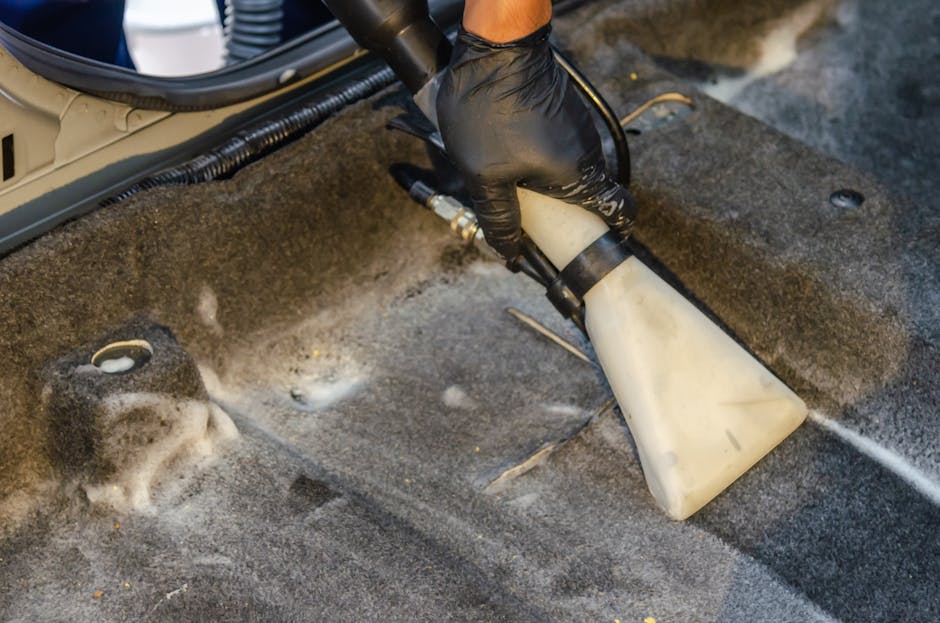
From there, the cleaning stage can involve hot water extraction, low-moisture cleaning, or a specialist treatment for stains and delicate fibres. Hot water extraction is often used for deeper soil removal because it flushes dirt out of the pile rather than just moving it around. Low-moisture methods can be useful where drying time matters a lot. Neither is automatically "best" in every situation. It depends, annoyingly but truthfully, on the carpet in front of you.
Pre-treatment is another key step. This helps loosen grime, break down greasy marks, and improve stain removal. High-traffic areas may need extra attention. Stairs and hall landings often tell the story first: they trap a surprising amount of grit. You can almost hear it crunch when brushing too quickly over the surface, which is never a great sign.
If you want to understand the broader service options available from a local provider, the main carpet cleaning service page is a sensible place to look. For people comparing treatment types or looking at different pile conditions, the related carpet cleaner and carpets cleaner pages can also help frame the discussion around service scope and suitability.
Key Benefits and Practical Advantages
The obvious benefit is a cleaner carpet. But the real value is a bit broader than that.
- Better appearance: colours often look more even and brighter after a thorough clean.
- Improved freshness: trapped odours from pets, food, and daily living are reduced.
- Longer carpet life: grit acts like sandpaper underfoot, so removing it helps preserve the pile.
- More comfortable rooms: the space can feel softer and more cared for, which matters in bedrooms and lounges.
- Better first impressions: useful for landlords, tenants, office managers, and anyone hosting guests or clients.
There is also a practical angle people overlook: good carpet cleaning can make maintenance easier afterwards. Once embedded soil is removed, regular vacuuming tends to work better. The carpet doesn't "fight back" quite so much. That sounds odd, but if you've ever tried to vacuum a neglected landing, you know exactly what I mean.
For homes, the benefit is often comfort and presentation. For offices, it's about keeping the environment professional and presentable. For end-of-tenancy situations, it can support a smoother handover when carpets have seen months or years of use. In those cases, it may sit alongside end of tenancy cleaning or one-off cleaning if the property needs a full reset rather than just one room.
Who This Is For and When It Makes Sense
This guide is useful if you're a homeowner, tenant, landlord, letting agent, office manager, or simply someone who has looked down at the carpet and thought, "Right, that's enough now." You do not need a crisis to justify a proper clean.
Carpet cleaning makes sense when:
- there are visible marks or traffic lanes
- a room smells a bit stale despite regular vacuuming
- pets have added fur, dander, or occasional accidents
- you're moving in or moving out
- you've hosted a lot of people and want the room back to normal
- you are preparing a property for sale or rental
- the carpet has not been professionally cleaned for a while
It's also worth thinking about adjacent surfaces. A carpet rarely lives alone. Sofas, rugs, and curtains can all hold dust and odour too, so a broader cleaning plan can be more effective than treating one surface in isolation. If that sounds familiar, the related pages on rug cleaning, sofa cleaning, and upholstery cleaning may be worth considering as part of the same job.
In offices, the signs are a little different. You may not notice stains first. Instead, you see dullness in walkways, a compressed look near desks, or that faint "busy room" smell after a long week. Very normal. Also very fixable.
Step-by-Step Guidance
Here's the simplest way to think about arranging carpet cleaning in SW3 without overcomplicating it.
- Identify the problem areas. Look for stains, high-traffic paths, odours, and rooms that need priority.
- Check the carpet type. Wool, synthetic, and blended fibres may need different methods. If you're unsure, say so. A decent cleaner should ask questions, not just charge ahead.
- Decide on the goal. Are you trying to freshen up the room, remove a specific stain, or prepare for a handover?
- Ask about the cleaning method. Hot water extraction, low-moisture work, and spot treatment all have different strengths.
- Clarify drying time. This matters a lot in flats, busy homes, and offices where the space needs to be used again quickly.
- Prepare the room. Move small items, clear the floor, and secure valuables. It sounds basic, but it really helps.
- Inspect after cleaning. Check the traffic lanes, edges, and any treated stains before the cleaner leaves.
- Follow aftercare advice. Avoid heavy foot traffic too early, and don't rush to put furniture back if the carpet is still damp.
A quick side note: if the carpet is heavily soiled after building work, that's a slightly different beast. Dust gets ground into fibres in a nasty, stubborn way. In those cases, after builders cleaning can be a useful companion service because it deals with the wider dust load, not just the floor itself.
Expert Tips for Better Results
There are a few small things that make a large difference. Nothing dramatic. Just smart habits.
- Vacuum before the clean. Removing loose soil helps the machine or technician work more effectively.
- Point out every stain early. A tea mark, ink spot, or food spill might need separate treatment.
- Be honest about pets and spills. It saves time and improves the odds of a better result.
- Ask about fibre-safe products. Especially on wool or older carpets.
- Allow proper drying time. Rushing this part can lead to re-soiling or a slightly musty feel.
- Use protective mats in hallways. They don't solve everything, but they reduce wear.
One thing people often overlook is airflow. If you can open a window a little, or use a fan sensibly, drying tends to improve. In Chelsea flats, that can matter because not every room has loads of open space or easy ventilation. A small draught can do more than you'd expect. Bit old-school, but it works.
If you're booking through a broader local cleaning company, it helps to check the business details and service approach rather than only the price. Pages like about us and cleaning company can give you a better feel for how the provider works, while pricing and quotes helps set expectations before anyone turns up with equipment.
Common Mistakes to Avoid
Most carpet cleaning problems come from rushing the decision or treating every carpet the same. A bit of caution goes a long way.
- Using too much water at home. Over-wetting can lead to long drying times and a damp smell.
- Scrubbing stains aggressively. This can spread the mark or damage fibres. Dab first, always.
- Ignoring the cause of the stain. Coffee, wine, grease, and pet accidents behave differently.
- Booking only on cheapest price. Low cost is fine if the service is competent. Not fine if the carpet ends up patchy or sticky.
- Forgetting to ask about access. In SW3, building layout, parking, and stair access can affect scheduling.
- Putting furniture back too soon. That one is common. Slightly annoying. Easily avoided.
Another mistake is assuming a carpet is beyond saving when it simply needs the right method. Older carpets, in particular, can improve dramatically when cleaned properly and carefully. Not every mark disappears, of course. Some stains are permanent. But many carpets look far better than owners expect once the right process is used.
Tools, Resources and Recommendations
If you're managing carpet care yourself between professional visits, a few tools are genuinely worth having around:
- a reliable vacuum cleaner with decent suction
- white microfibre cloths for spot treatment
- a carpet-safe stain remover suitable for your fibre type
- a soft brush for lifting pile in flattened areas
- a small fan or access to good airflow for drying
For people who prefer a more managed approach, it can help to use a single local provider for several cleaning needs at once. That makes scheduling simpler, and it means the team can work across surfaces in a logical order. For example, a carpet clean alongside domestic cleaning or house cleaning can produce a much better overall finish than tackling one room in isolation. In office settings, pairing carpet work with office cleaning often makes more sense than splitting tasks across different suppliers.
If you want to think beyond soft flooring, the related service pages for hard floor cleaning and window cleaning can be useful because whole-room presentation is rarely about one surface only. It's the room as a whole that people notice.
Law, Compliance, Standards, or Best Practice
Carpet cleaning is not usually a highly regulated service in the way some trades are, but that doesn't mean standards are optional. In the UK, a trustworthy cleaning provider should still follow sensible health and safety practices, use suitable products, and treat client property carefully.
From a customer point of view, a few things are worth checking. Does the company explain its safety approach clearly? Are products handled responsibly? Is insurance in place? If equipment is brought into a home or office, are cables managed safely and walkways kept clear? These are not glamorous questions, but they matter. A lot.
It's also reasonable to expect clear payment terms, transparent communication, and a fair complaints route if something goes wrong. Good practice is not about perfection; it's about how a business behaves when there is an issue. That's where trust is built.
For reassurance, you can review the company's insurance and safety, health and safety policy, and terms and conditions. If environmental responsibility matters to you, the recycling and sustainability information is worth a look too. And if you have any service concerns, the complaints procedure can tell you how the business handles problems.
Options, Methods, or Comparison Table
Different carpet cleaning methods suit different situations. Here's a straightforward comparison.
| Method | Best for | Pros | Watch-outs |
|---|---|---|---|
| Hot water extraction | Deep soil, general refresh, family homes | Strong cleaning power, good for embedded dirt | Needs proper drying time |
| Low-moisture cleaning | Quick turnaround, sensitive spaces, lighter maintenance cleans | Faster dry time, convenient for busy properties | May be less suitable for very heavy soiling |
| Spot treatment | Specific stains or localised marks | Targeted and efficient | Not a full substitute for whole-carpet cleaning |
| Combined deep clean | Whole-home resets, move-ins, end of tenancy | More complete finish across several surfaces | Usually takes more planning |
Truth be told, most properties benefit from a blend rather than one rigid method. A landing might need one thing, a bedroom another, and a rug something slightly gentler. Good judgment matters more than any single machine name.
Case Study or Real-World Example
Here's a realistic example. A Chelsea flat had a cream hallway carpet with visible traffic lanes, a dining room mark near the table, and a faint stale smell that lingered after the windows had been closed for a few days. Nothing dramatic, just the sort of thing you stop noticing until someone points it out. The owner had been vacuuming regularly, but the fibres still looked dull.
The job was approached in stages: inspection, pre-treatment, targeted stain work, and then a full clean of the main walking areas. The hallway improved first, which is usually what happens. That's the bit that people see and feel straight away. The dining area mark softened significantly, though not every stain vanished completely. The room felt fresher the same day, and the carpet looked more even once dry.
What made the difference was not a miracle product. It was matching the method to the carpet and not rushing drying. Simple, really. But simple done well is often where the real result comes from.
Practical Checklist
Use this before booking or starting the work:
- Identify the carpet type if you can
- Note any stains, spills, or pet issues
- Decide whether you need a full clean or a targeted treatment
- Check access, parking, and stair carry points
- Clear the room of small items and fragile objects
- Ask about the cleaning method and expected drying time
- Confirm whether furniture moving is included
- Ask how the provider handles delicate fibres
- Review safety, insurance, and payment information
- Plan when the room can be used again
If you'd like a broader clean alongside the carpet work, consider whether the same visit should include upholstery cleaning or one-off cleaning. That can make the overall result feel much more complete, especially in a living room or rental property.
Conclusion
Good carpet cleaning is not really about making everything look brand new forever. It's about restoring comfort, improving appearance, and keeping a space easier to live or work in. In SW3, where properties are often well-used, well-presented, and full of character, the right service can make a proper difference without being overcomplicated.
The key is to match the method to the carpet, ask sensible questions, and avoid the usual mistakes like over-wetting or choosing a service on price alone. Small decisions matter here. A lot. And once you know what to look for, the whole process becomes much easier to manage.
If you are comparing providers, take a few minutes to review service details, policy pages, and pricing so you know what is included. That bit of preparation usually pays off, and it saves a lot of back-and-forth later.
Get a free quote today and see how much you can save.
Frequently Asked Questions
How often should carpets be professionally cleaned in Chelsea?
It depends on foot traffic, pets, children, and how the property is used. Many households book a professional clean when the carpet starts to look tired or feels harder to keep fresh, while offices and rentals may need more regular attention.
What is the best carpet cleaning method for SW3 homes?
There is no single best method for every carpet. Hot water extraction works well for deep cleaning, while low-moisture methods can be better when fast drying is important. The right choice depends on fibre type, soil level, and the room itself.
Can carpet cleaning remove old stains?
Sometimes yes, sometimes partially, and sometimes no. Old stains can bond strongly with the fibres, especially if they were treated badly at home. A proper assessment is usually the only honest way to judge what is possible.
How long does carpet cleaning take to dry?
Drying time varies with method, ventilation, carpet thickness, and room temperature. Faster-drying methods help, but the room still needs sensible airflow. Rushing the process can cause damp smells or quicker re-soiling.
Is professional carpet cleaning worth it for flats?
Usually yes, especially where space is limited and carpets are heavily used. Flats often show wear quickly in hallways, living rooms, and bedrooms, so a professional clean can make the space feel noticeably fresher.
Will carpet cleaning damage wool carpets?
Not if the correct method and products are used. Wool needs care, and the cleaner should understand how to handle natural fibres. That's one reason inspection and method choice matter so much.
Should I vacuum before the carpet cleaner arrives?
Yes, if possible. Vacuuming first removes loose debris and helps the deeper cleaning do its job properly. It is a small step, but it makes a difference.
Can carpet cleaning help with pet odours?
Often it can, especially if the odour is in the carpet fibres rather than deeply underlay-related. Pet issues sometimes need extra treatment, so it helps to be direct about the problem when booking.
What should I ask before booking a carpet cleaning service?
Ask about the method used, drying time, stain treatment, whether furniture moving is included, and how the company handles delicate fibres. Also check insurance, safety, and payment information. Straightforward questions, but very useful ones.
Is carpet cleaning included in a full house clean?
Usually not automatically. Carpet cleaning is often a separate specialist service, though it can be combined with broader cleaning such as domestic cleaning or one-off cleaning if that suits the property.
Do offices in SW3 need different carpet cleaning from homes?
Often yes. Offices may have heavier traffic, more uniform wear, and stricter timing needs. The method may be similar, but the scheduling and drying considerations are usually different.
How do I know if a company is trustworthy?
Look for clear information on services, pricing, safety, insurance, terms, and complaints handling. A trustworthy business explains things plainly and does not dodge basic questions. That's generally a good sign.